Know the Difference Between Condenser & Evaporator Coil Operations
For every cooling system, the two components are highly essential that are condenser and evaporator coils. There is a possible difference in the functionality of the evaporator or condenser coils. People consider buying high-quality evaporators and condensers for replacement in their cooling systems. Therefore, always consider hiring the best firm offering the same. In this article, you will know about the working methodology of these two coils in the cooling systems.
Evaporator Coil Operations
The process of extracting the indoor heat present in the air and implementing it onto the refrigerant is the sole function of the evaporator coil. Most of the indoor air-handling devices do have evaporators embedded in them to convert the hot or warm air into cold air. The heat-absorbing power of the refrigerants is high in the evaporators, and after the heat energy is extracted from the coil, it is then pushed to the blowers to disperse around the house.
These coils hold the refrigerant and then convert it from the liquid form to the gas form. There is an expansion valve through which the refrigerant moves to the evaporator coils. The role of the expansion valve is to reduce the refrigerant pressure, and then it turns into a gaseous state. These coils are now responsible for heat transfer and make the surface cold. The gaseous refrigerant is usually placed as the outdoor unit in the cooling systems.
Condenser Coil Operations
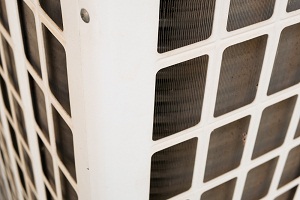
The evaporator and condenser coils do possess a similar design, and the operations are also pretty much opposite to one another but are connected. The operation of the condenser coils is exactly the reverse of the evaporators. The job of the evaporator is the pick the heat from the inside air, and the work of the condenser is to throw out the heated air to the outside atmosphere through the outdoor units. The refrigerant that releases the heat load is received by a fan that throws the air out to the outer atmosphere by passing through the condenser coil.
While the refrigerant reaches the condenser coil, the compressor pressure is increased to convert it to liquid form, and during this change of state, the heat is emitted outside, after which the liquid refrigerant returns to the evaporator. The liquid refrigerant that escapes through the condenser coil is retrieved back by the evaporator coils. This reverse absorption of the refrigerant by the evaporator is possible with the presence of an expansion valve near it. This restricts the refrigerant from flowing and converts it into a vaporized state to help absorb more heat air from the atmosphere.

Comments
Post a Comment