What Do Condenser Coils & Evaporator Coils Do For Your HVAC Systems?
Commercial premises need HVAC systems to regulate air temperatures. HVAC systems help with heating, ventilation, and air conditioning for your premises. These systems need components like tube bundles and various coils to function effectively. The two most crucial coils your HVAC system needs are evaporator and condenser coils. Let's understand their role in helping your HVAC systems work efficiently!
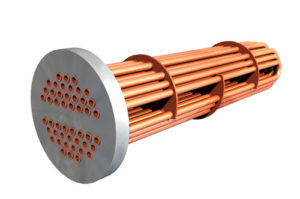
Evaporator
Coils and Condenser Coils: Understanding What They Mean
An
evaporator coil is a vital component that helps your HVAC system absorb heat
and moisture from the air. This coil works to pass the heat into a refrigerant
present in the copper tubing. This coil helps cool your office or industrial premises
by reducing the heat.
The
condenser coil works to do the exact opposite to help pass the heat outside.
When the refrigerant collects the indoor heat with the help of an evaporator
coil, it moves towards the condenser coil. The condenser coil then helps this
refrigerant release heat into the outdoor air so it can go back to the
evaporator coil to collect more heat.
How
Do These Coils Work Together?
The
refrigerant in your HVAC system passes via a copper tube linked to the
machine's outdoor unit. This copper tubing helps the refrigerant go into the
evaporator coil. Here, it absorbs heat. At the same time, the moisture collects
as condensation on the evaporator coils. This process helps cool the indoor air
and creates a comfortable humidity level.
After
the refrigerant picks up this warm air, it moves through the condenser coil.
The condenser coil expels the heat, and the refrigerant moves back into the
evaporator coil. An expansion valve helps to control this returning flow of the
refrigerant.
Evaporator
Coils and Condenser Coils: Potential Issues and Solutions
Now that you know what they do, you must understand the problems they may have. The main challenges that your evaporator coils can have are:
- Airborne particles often form a layer on the coil surface, leading to erosion and refrigerant leakage
- The condensation of airborne moisture can lead to mold formation on the coils
When
these issues emerge, you may experience poor performance from your HVAC system.
In that case, a suitable option is to replace the coil. However, before
replacing your coil, you must ensure you get the right configuration. For
example, if you have a Carrier system, you need a
new Carrier evaporator coil
to fix these issues.
The
condenser coils can experience the following issues:
- Outdoor dirt and debris can affect the performance of your coil and cause erosion
- Heavy usage can contribute to wear and tear, resulting in poor performance
If
your HVAC system is less than eight years old, you need not replace the entire
machine. Instead, you can opt for coil replacement to fix these issues. If you
have a Trane HVAC system, a Trane condenser coil can help you
address the problem.
If
you are looking for a reliable supplier of replacement coils and tube bundles,
look no further than Discount Coil!
Contact them today to improve your system's performance.
Comments
Post a Comment