Heat Exchangers: Explore Their Benefits, Types, and Applications
Heat exchangers are pivotal in maintaining chemicals, oils, and machinery at safe operating temperatures in diverse industries. Without them, achieving energy efficiency can be really tough. That is why their global market size will likely reach USD 25.5 billion by 2030. (https://www.strategicmarketresearch.com/market-report/heat-exchangers-market) Simply put, heat exchangers facilitate heat transfer between two or more fluids. A solid wall is present to prevent the mixing of the liquids.
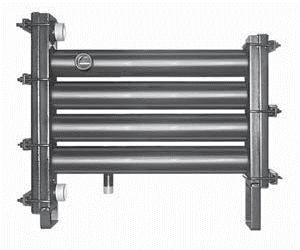
In
this blog, you will explore the different types of heat exchangers, from spiral
to shell tube
heat exchangers, and their benefits and applications. Let’s dive
in!
Benefits
of Heat Exchangers
Heat
exchangers provide a wide range of benefits to different industries. Some of
the top advantages are listed below.
- Temperature control: Heat exchangers offer precise control
over the temperature of the liquids. They help maintain the optimal
temperature for different systems and processes in industries.
- Efficient heat transfer: By facilitating the transfer of
heat between fluids, the devices significantly lower energy wastage and
maximize thermal energy utilization rate.
- Versatile: Heat exchangers are highly
versatile and find applications in diverse industries. They can
effectively handle various types of liquids with different temperature
ranges and flow rates.
- Cost-effective: These devices reuse heat and lower energy consumption, thereby allowing you to save a lot in the long run.
Types
of Heat Exchangers
Different
types of heat exchangers are available based on design and functionality. Take
a look at the top variants.
- Plate Heat Exchanger
The plate heat exchanger comprises a series of stacked plates with alternative channels for cold and hot fluids. The large surface area of the plates allows efficient transfer of heat. They are ideal for applications involving higher levels of heat transfer. - Shell and Tube Heat Exchanger
Shell and tube heat exchangers comprise an outer vessel or shell with several tubes inside. While one fluid passes through the tubes, the other flows around the tubes present in the shell. The robustness and versatility of these heat exchangers make them an ideal option for various industries. - Spiral Heat Exchanger
The spiral heat exchanger is a circular unit having two concentric spiral flow channels. The channels' uniform cross-section and curve design ensures that the fluids do not get mixed. The high heat transfer coefficient and low maintenance requirements make these heat exchangers stand out among the others.
Top
Applications of Heat Exchangers
Heat
exchangers find use in several industries for cooling, heating, and energy
recovery. Let’s delve into the common applications of these devices.
- Air conditioning and
refrigeration
- Chemical processing
- Power generation
- Petroleum refining
- Food processing
Conclusion
The
demand for heat exchangers will continue to increase in the near future.
However, getting them from reliable suppliers ensures the best outcomes. Are
you in search of versatile and high-quality heat exchangers? Then Discount Coil
can be your one-stop solution. They have been serving the industrial clients
for years. Connect with professional experts, discuss your unique requirements,
and get top-notch services at competitive prices.
-----------------------------------------------------------------------------------
This
content was originally published on: Discountcoil.com
This has been
republished with permission.
Original Source: https://www.discountcoil.com/heat-exchangers-explore-their-benefits-types-and-applications/
Comments
Post a Comment